
To celebrate last year’s 25th anniversary of Final Fantasy 9, Famitsu (via Automaton) spoke with its creators about the lasting impact of FF9’s return to more traditional fantasy. Looking back on its production, legendary Final Fantasy composer Nobuo Uematsu said FF9 features some of his favorite compositions—even if he’s convinced it’s more popular outside of Japan.
“When I go abroad, I get the impression that there are a lot of FF9 fans,” Uematsu said. “I feel like people overseas mention FF9 more often than people in Japan.”
Asked whether he believes FF9’s medieval fantasy setting—following FF7 and FF8 skewing toward a more modern, belt-heavy aesthetic—is responsible for its greater popularity abroad, Uematsu only said “I wonder.” But its middle ages theming did help him produce some of the best videogame music he’s composed.
While he said it had been “fun to shift gears” for Final Fantasy’s sci-fi departures—unsurprising, given his recently-shared frustration over game music getting “less weird”—FF9 offered a welcome return to form.
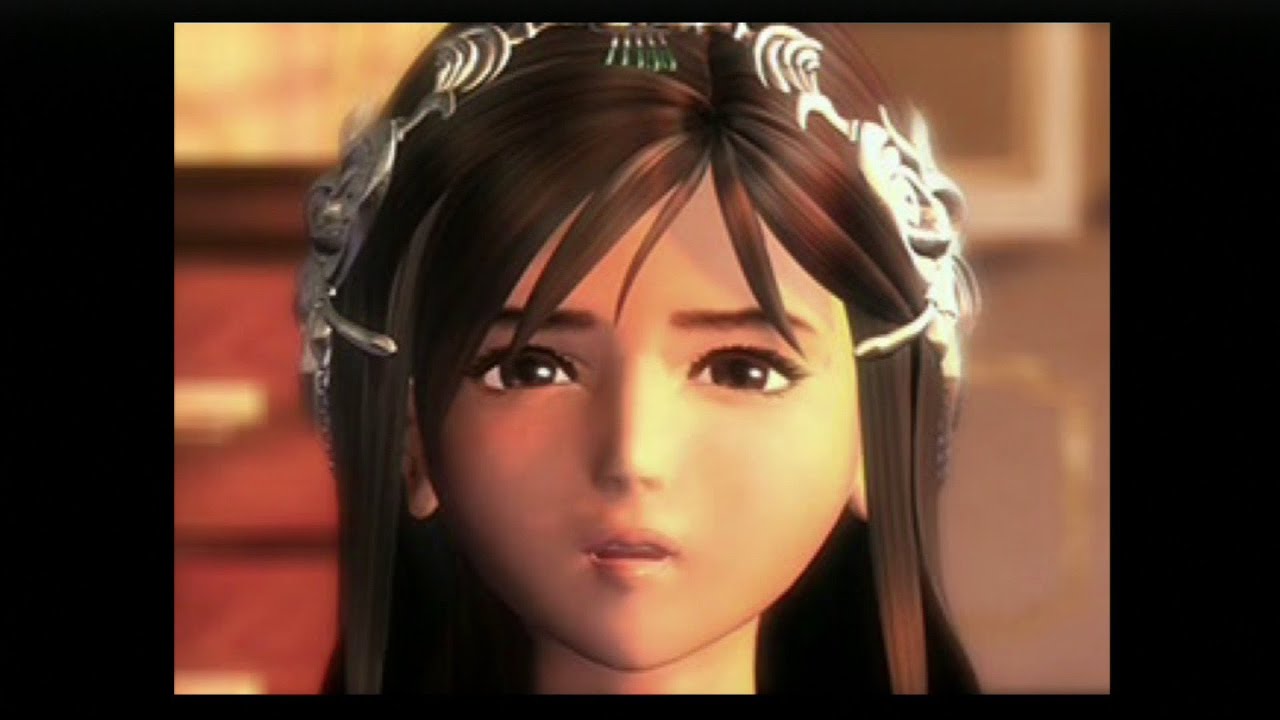
Uematsu composed both the opening theme and fanfare in the Early Music style, and the familiar ground of classic fantasy also made it easier for him to compose early in development, even before much of the game had been built.
“FF7 and FF8 had a very different atmosphere from the previous FF games, so I drew more inspiration from the story and visuals there,” he said. “But for FF9, I was less bound by that and the music came more naturally. To be honest it was more fun for me this time.”
In Famitsu’s 25th anniversary interview, Uematsu said that the development of Final Fantasy 9 had offered him an opportunity that would likely fill his fellow medieval otakus with envy: He and his wife traveled overseas for inspiration. Unfortunately he didn’t have a Riverdance-caliber revelation on that trip.
“I thought it would be a good idea to get a feel for the atmosphere of Europe, so my wife and I went on a tour of old castles,” Uematsu said. “But we were surrounded by college students and we were the only elderly people there. It was pretty tough.”